

How I Became a Coffee Person
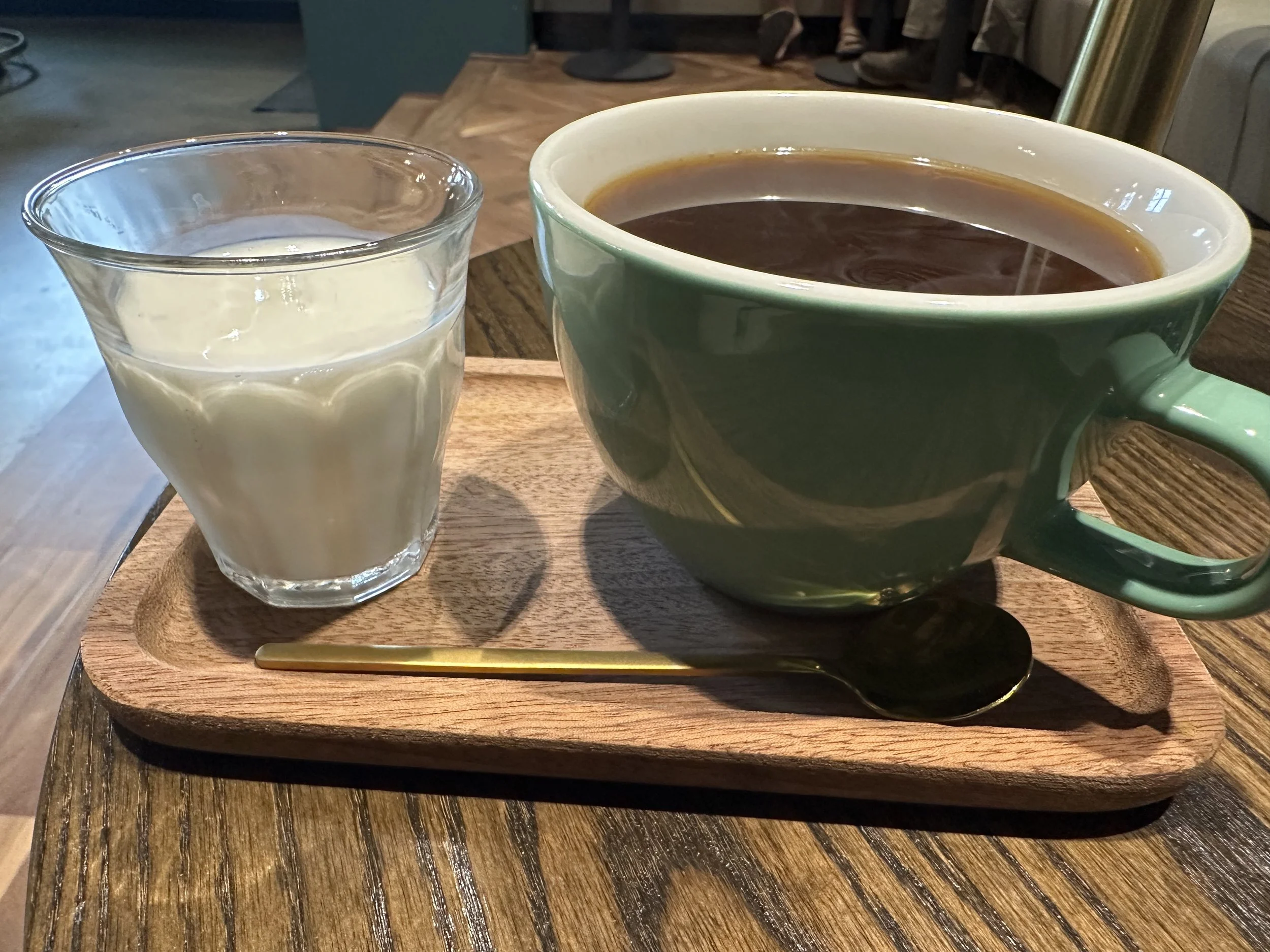
Hot Americano with a Splash of Milk
How I Became a Coffee Person
I can’t say I was a coffee hater up until about a year or so ago. I just never really made the time to understand it—or even try it.
A new coffee shop popped up near me called ASE Coffee. Really nice place. I went there probably half a dozen times before finally saying to myself, “It’s time to actually try a cup of coffee.”
I had never really had a cup of coffee in my entire life. Maybe a sip here and there decades ago, but nothing substantial enough to decide whether I actually liked it or not.
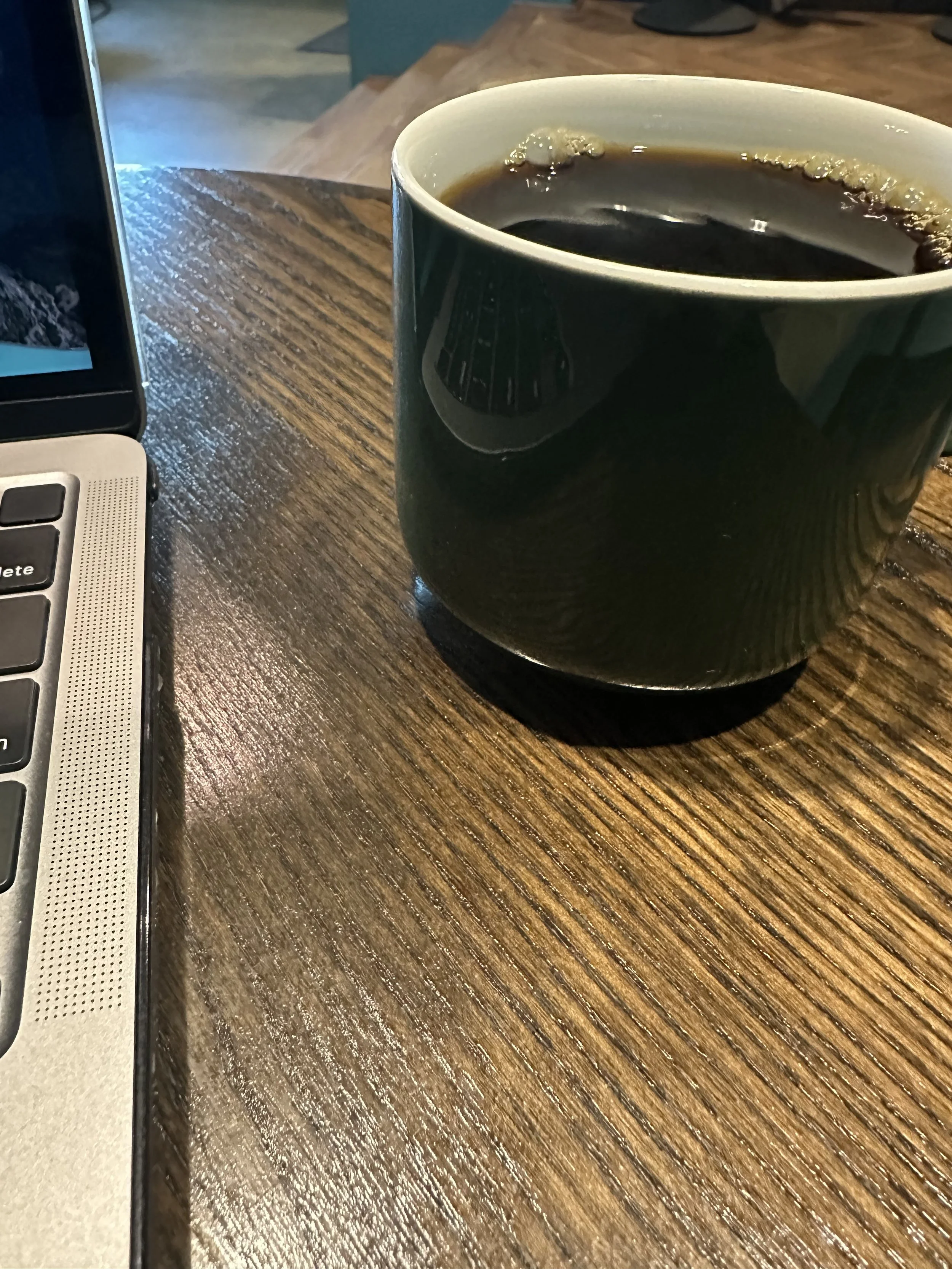
My First Cup of Coffee (Drip Coffee)
So I ordered a black drip coffee.
The first few sips were…odd.
But as I kept drinking it, something happened. It started getting better.
I began doing a little research and learned that some of what I was tasting were the natural notes and flavors that can occur in different coffees, particularly single-origin coffees and certain blends.
That made coffee much more interesting to me.
I also knew enough to try it black first. I didn’t want my first real experience with coffee to be some flavored, sugar-filled, cream-heavy drink where I couldn’t actually taste the coffee.
That’s not to say I don’t understand why people like those drinks. I do. But there’s a difference between having some cream or milk in your coffee and having so much added to it that you’re basically having cream, sugar, and syrup with a little coffee mixed in.
I’ve tried a few milk-based espresso drinks, and they weren’t bad. But I still haven’t gotten into adding coffee creamer to my coffee.
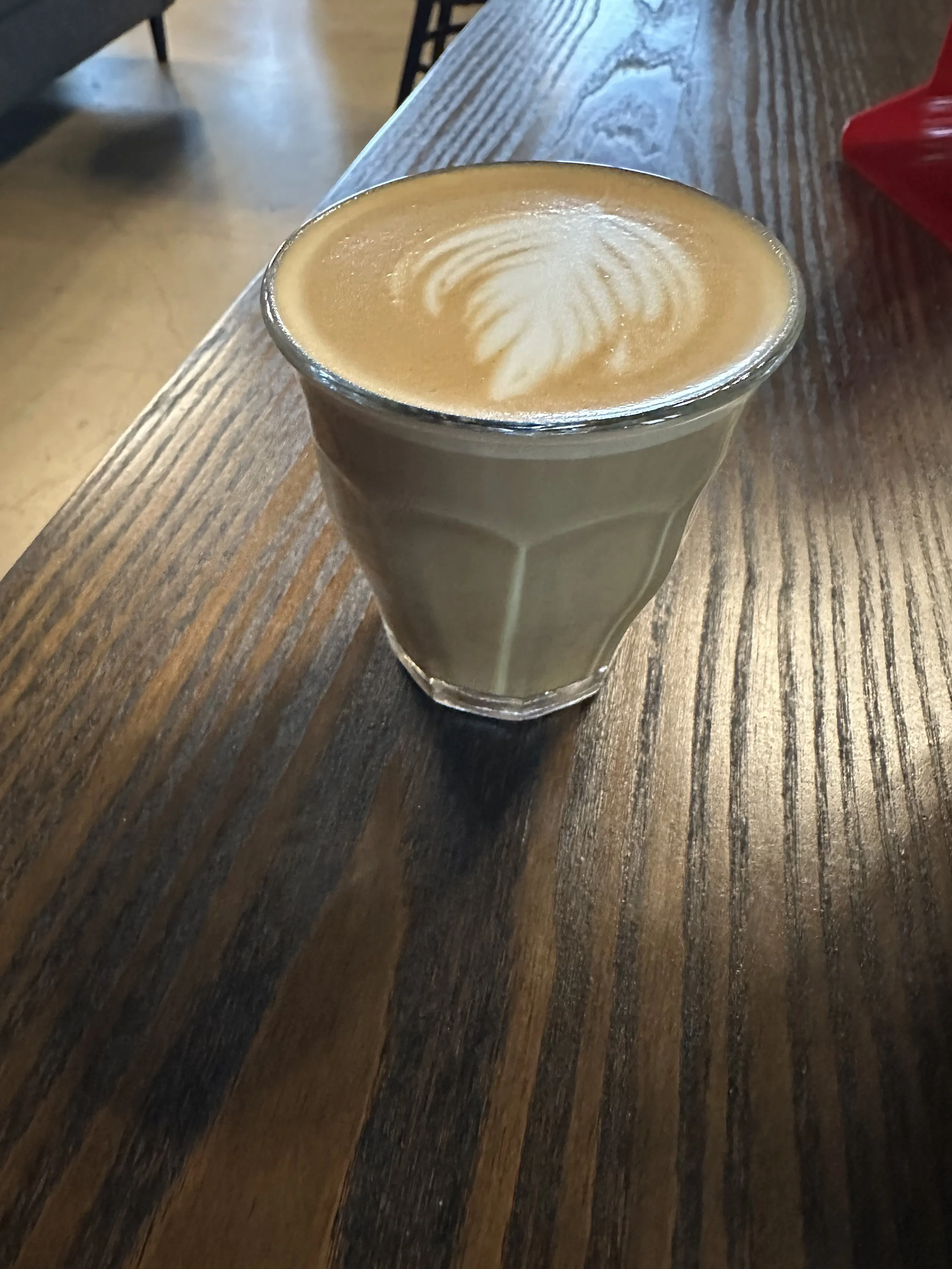
Flat White (Espresso Based Drink)
For me, good coffee doesn’t need much.
If you get the coffee-to-water ratio right and start with good beans, it can taste really good all by itself.
One of the things I actually enjoy now is how the flavor changes as the coffee cools. Something that tastes one way when it’s piping hot can taste completely different when it’s warm and again when it’s closer to room temperature.
I’ve now tried a half dozen or so single-origin coffees and even more blends. I generally stay away from flavored coffees, although I’ll occasionally try one if it isn’t overloaded with artificial or added flavors.
What I’ve Learned to Look For
I’m definitely someone who likes to understand the history and the why behind things.
It would have been easy for me to start drinking coffee by loading it up with sugar, flavored syrups, whipped cream and whatever else. But I wanted to actually understand coffee first.
Those kinds of drinks can be fun occasionally. I just don’t see them as my everyday coffee.
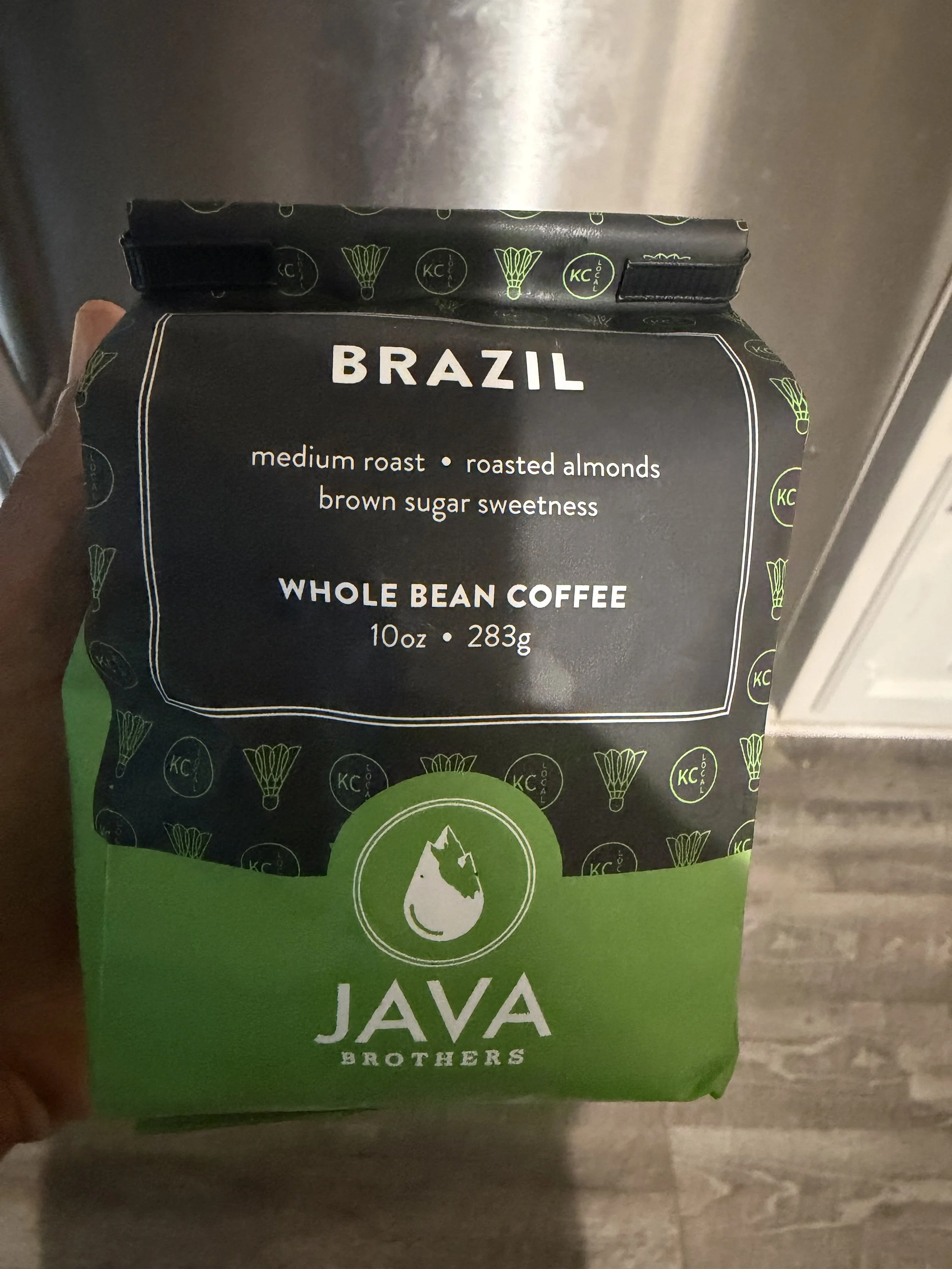
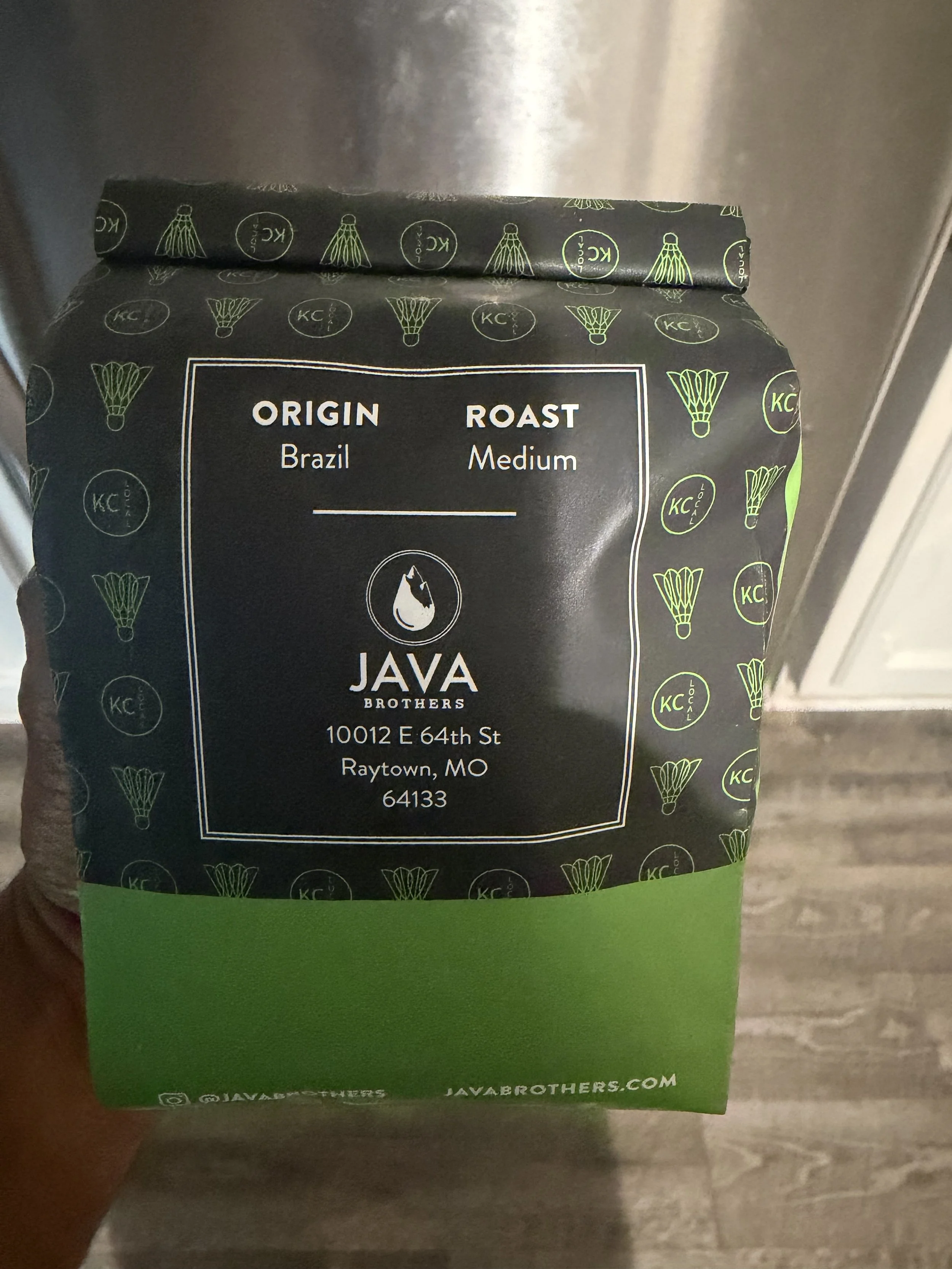
Java Brothers Coffee
Single-Origin, Locally Roasted Coffee (One of My Favorites for Brewing at Home)
These days, I tend to focus on a few things:
Whole-bean coffee
As fresh a roast date as I can find
Locally roasted beans when possible
Single-origin coffees
High-quality blends
Minimal or no added flavoring
Grinding the beans right before brewing
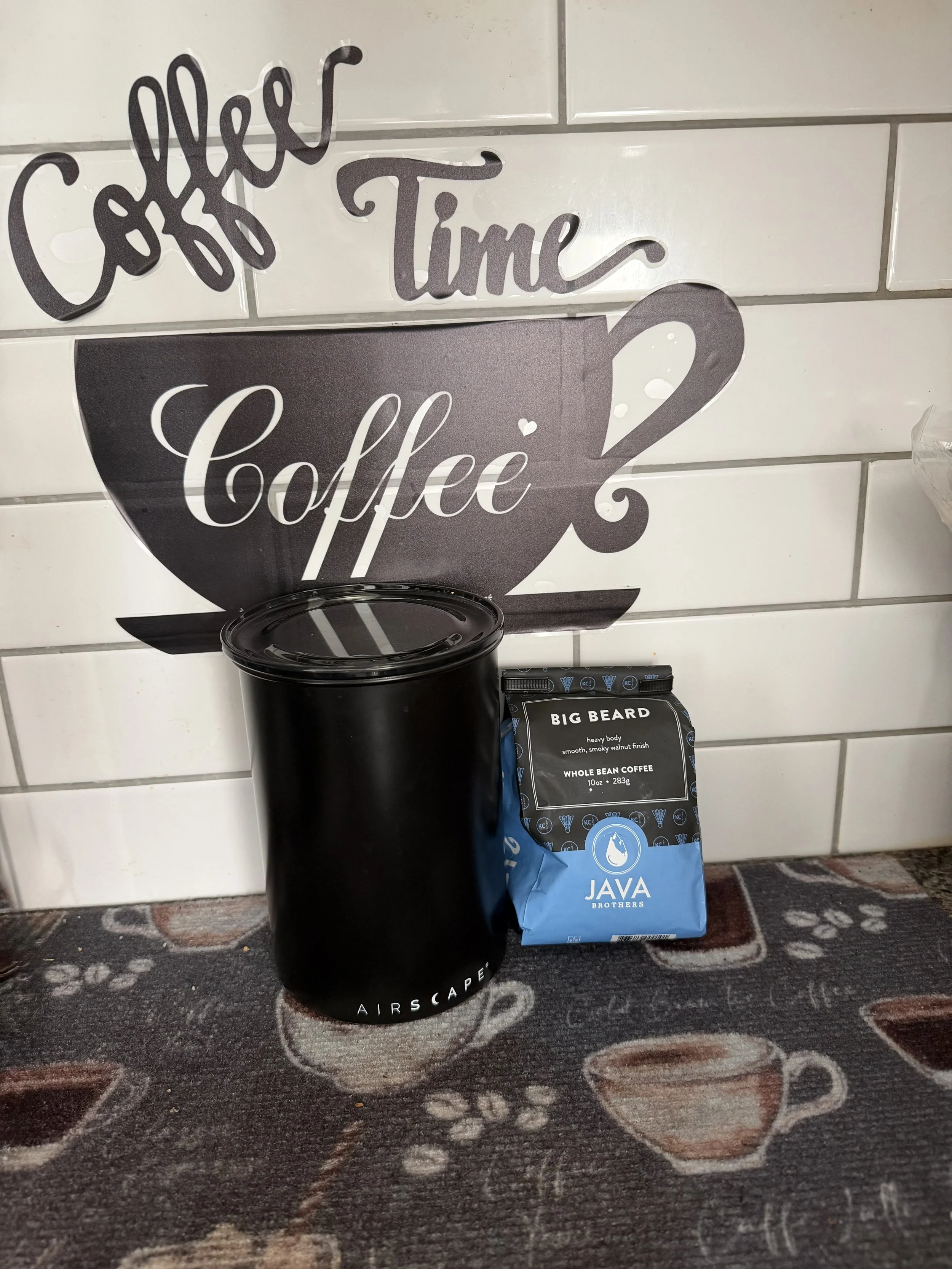
My Airscape airtight canister keeps whole coffee beans fresh much longer than leaving them in the original bag.
Storage matters too. I keep my beans in an airtight container because there’s no point in buying good coffee and then letting it lose its freshness.
Enjoying a Pour-Over at One of My Local Coffee Shops
My Go-To Coffee
When I’m out and about, my go-to is usually a hot Americano.
I learned pretty quickly that drip coffee can be hit or miss depending on how long it’s been sitting. You can have a great drip coffee—or one that’s been sitting on a warmer for who knows how long.
At home, drip coffee is my usual choice simply because it’s easy.
Enjoying a Pour-Over at One of My Local Coffee Shops
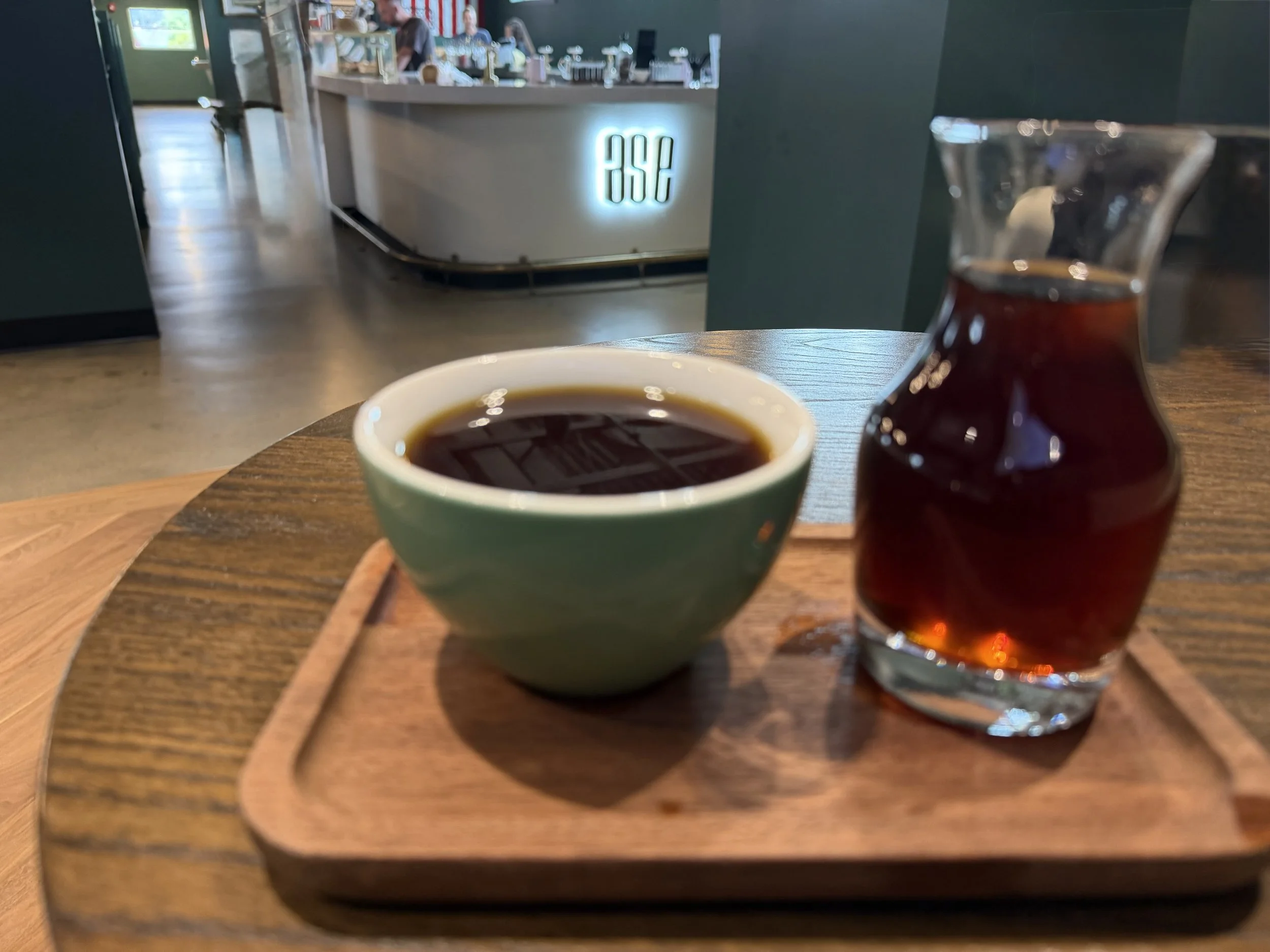
Chariot: Columbia Natural - Tasting Notes: Bold & Fruity, Honey, Apricot, Blueberry, Maple
I also enjoy a pour-over every now and then, whether I’m at home or out somewhere that makes a good one. And occasionally I’ll make an Americano or long black at home.
I don’t need a complicated setup every morning. I just appreciate good coffee made well.
And honestly, there’s something satisfying about grinding whole beans, brewing a fresh cup, and actually paying attention to what you’re drinking.
I Don’t Need Much Coffee
I’ve also learned something else about myself: I don’t need much coffee.
At home, one cup—about 14 ounces—is plenty for me.
I’m definitely not the guy who rolls out of bed and immediately needs coffee.
My day normally starts with water. Then I’ll do some yoga or stretching, or get in a strength-training session. I’ll make breakfast, and somewhere after that, I’ll have my coffee.
Coffee isn’t what gets me out of bed.
It’s something I enjoy after I’ve already started my day.
And if I happen to run out of coffee, I don’t immediately rush out to buy another bag. I’ll usually give myself a day or two without caffeine before starting a new bag.
I end up doing that about once a month or so.
It’s not some elaborate strategy. I just don’t want coffee to become something I feel like I have to have every single day.
I enjoy it, but I also like knowing I can go without it.
Maybe That’s the Bigger Lesson
I think what I enjoy most about getting into coffee has less to do with coffee itself and more to do with how I approach things in general.
I like understanding what I’m consuming before I start covering it up.
If something tastes bitter, sour, sweet, earthy, fruity, nutty or completely different from what I expected, I want to know why. What am I actually tasting? Where did it come from? How was it grown, processed, roasted and brewed?
Only after I understand the thing itself do I want to start changing it.
That’s probably why I tried coffee black in the first place. Not because I think everyone should drink black coffee, or because adding milk or cream somehow makes your coffee “bad.” It was simply the easiest way for me to figure out what coffee actually tasted like.
And that philosophy carries over into food for me, too.
We’re constantly encouraged to add something to make food more appealing—more sugar, more sauce, more salt, more flavoring, more cream, more of whatever.
Sometimes that’s perfectly fine. Food should be enjoyable.
But if you always need to add something to make a food or drink enjoyable, you may never actually learn to appreciate the thing underneath it.
That’s what I wanted to do with coffee.
Learn the basics first. Figure out what I actually like. Then make adjustments from there.
Now, when I buy a new bag of beans, I’m not just buying “coffee.” I’m curious about where it came from, how it was roasted and what I’m going to taste when I brew it.
I went from someone who had basically never had coffee to someone who actually looks forward to trying a new bag of beans.
And I didn’t need to become a coffee snob to do it.
I just needed to slow down, learn a little, pay attention and figure out what I actually liked.
Maybe that’s the bigger lesson.
Before you automatically add something to make what you’re consuming taste better, take a moment to understand what you’re actually consuming.
You might discover you didn’t need to cover it up in the first place.
And if you do decide to add something?
At least you’ll know what you’re adding—and why.
Thanks for reading The Deep Dive!
What do you think?
Have a thought about this Deep Dive? I'd love to hear it.
Email me at thedeepdive@touchesoftech.com and let me know what you think—or send along an idea for something you'd like to see explored in a future Deep Dive.
I can't promise I'll write about every suggestion, but I'm always interested in hearing what you're curious about.
Get new Dives and The Deep Dive: This Week's Dives delivered straight to your inbox each weekend.
📧 Subscribe
You'll be taken to our current newsletter provider to complete your free subscription.