
The Art of Appreciating Good Cooking
“Thanks for cooking.” “That was good.” Those are nice things to hear, and showing appreciation for a meal is always important. But sometimes, there's more to say.
When someone spends four to six hours preparing a meal—or even days planning and cooking for a holiday—a simple thank you doesn't fully acknowledge the effort involved. There's planning, shopping, preparation, seasoning, timing, and cleanup. Sometimes there's experimenting with a new recipe or working to get a familiar dish just right.
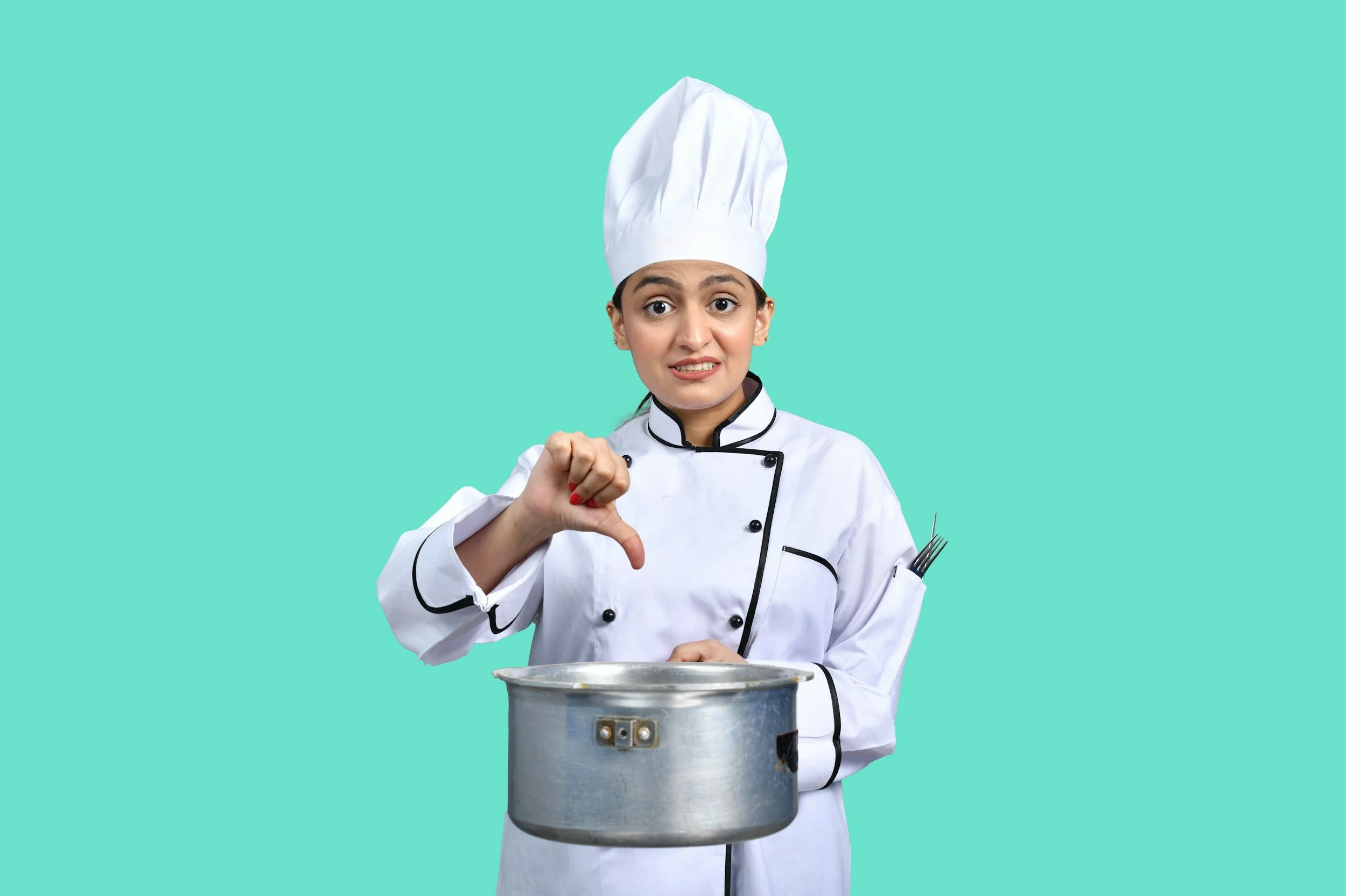
After all that work, a cook may want to know more than whether you enjoyed the meal. What stood out? Was the seasoning right? Did you like the texture? Was there something you would have done differently? That kind of feedback shows that you paid attention to the food and can help the cook improve.
People who cook regularly are often their own toughest critics. They notice things other people might not, and even when everyone else thinks the food is great, they're already thinking about what they might change next time.
Appreciation matters, but thoughtful feedback can mean just as much. You don't have to criticize a meal or find something wrong with it. Just be willing to say more than “It was good” when the cook wants to know what you really thought.
Honest Feedback Helps People Improve
You don't need to critique every dish someone serves you. But when a cook asks what you thought, be honest and specific.
Maybe the chicken needed less salt, the sauce was too spicy, or the meat could have cooked a little longer. Perhaps you liked the flavor but wanted a crispier texture. Those details give the cook something useful to work with.
Simply saying “It was good” doesn't explain what worked. Saying “I didn't like it” doesn't explain what could be better, either.
Feedback can be especially useful when several people try the same dish. If everyone independently mentions that something is too salty, the cook has a good reason to reconsider the seasoning. If you're in a group and have more critical feedback, though, it may be better to share it privately rather than put the cook on the spot.
Sometimes, the cook already knows a dish didn't turn out as planned. Hearing that someone else noticed the same thing can help confirm what needs to change. A serious home cook isn't expecting every dish to be perfect. The goal is to learn from the experience, not to pretend every attempt is a success.
The key is to be respectful. Honest feedback should help someone improve, not make them regret inviting you to dinner.
Restaurants Need Feedback, Too
The same principle applies when dining out. Restaurants often ask how your food was, whether through a server, a comment card, or a conversation with the owner or chef.
Sometimes, that question is routine. Other times, the person asking genuinely wants to know what you think. If the owner or chef is personally involved in the food, your feedback may be particularly valuable.
I once tried a local restaurant shortly after it opened. The food was good, but something was missing. I assumed it might have been an off day and figured the restaurant would continue developing its menu and approach.
I didn't say much during that first visit, partly because I heard other customers mention some of the same concerns. I also noticed the restaurant was asking for feedback and saw similar observations in online reviews.
Months later, I returned and ordered the same dish. It looked and tasted completely different—in a good way. It was much closer to what I had expected the first time.
I can't say exactly what prompted the changes, but the experience reminded me that restaurants evolve. Cooking for customers involves experience, experimentation, and learning what people respond to.
Not every restaurant will make changes based on feedback, and not every suggestion will be useful. But a restaurant can't address a problem it doesn't know exists. When someone asks how your meal was, don't automatically assume they're just making conversation.
Tell the Cook What You Actually Like
Feedback isn't limited to pointing out what could be better. Explaining what you enjoy can be just as helpful.
If you have a favorite restaurant dish, think about what makes it appealing. Is it the seasoning, sauce, texture, or combination of flavors? Those details can give someone a starting point for creating something similar at home.
You might even make your own version of a favorite dish and let the cook try it. The goal doesn't have to be an exact replica. A different interpretation can be interesting, and it gives both of you an opportunity to compare preferences.
One person might prefer a stronger seasoning, while another likes a lighter touch. Neither approach has to be wrong. The point is to understand what people enjoy, not to convince everyone that your way is the only way.
Cooking for Yourself Is Different From Cooking for Everyone
Cooking for yourself gives you the freedom to experiment without worrying much about anyone else's preferences. Cooking for a group is different.
You may have to consider different tastes, dietary needs, expectations, and even how much time you have. You might want to try a complicated new recipe, but a family favorite could take priority. Sometimes the best approach is to experiment with a small batch before serving something new to a crowd.
Time, equipment, and energy are limited. A cook might focus on getting the main protein right while keeping the sides simple. Restaurants face similar decisions. Not every dish can be the star of the meal, and no cook can accommodate every preference at once.
That's another reason feedback matters. It helps cooks understand what people enjoy while recognizing that they won't please everyone every time.
A Simple Thank You Doesn't Tell the Whole Story
Think about something as ordinary as grilling burgers and hot dogs. The actual grilling might be the shortest part of the job. Getting the grill ready, preparing the food, waiting for it to heat, cooking everything, serving the meal, and cleaning up can easily turn it into an hour or two of work.
More involved meals require even more planning. A large roast may need to be prepared well in advance, and a holiday dinner can take days to organize. Even with a double oven, coordinating several dishes so everything finishes at the right time can be a challenge.
Much of that effort is easy to overlook when you sit down to eat. You see the finished meal, not everything that went into making it happen.
That doesn't mean you have to love every dish. It means you can appreciate the effort while still being honest about the result. You can thank someone for cooking and tell them what you would change. Those two things aren't in conflict.
To Help or Not to Help
If someone is cooking, don't automatically jump in and take over. Watch what they're doing and ask whether they could use a hand.
Sometimes help is welcome. Other times, an extra person in the kitchen interrupts the cook's routine or changes the result they're working toward. Offering to chop vegetables, set the table, or handle cleanup gives the cook a chance to decide what would be useful.
And if you're helping, don't make changes to the food without asking. Adding seasoning to someone else's dish because you think it needs something is unlikely to be appreciated.
You can also learn a lot simply by observing. Watch how an experienced cook prepares ingredients, seasons food, manages timing, and adjusts a dish along the way. You can learn from someone cooking in person, watching a cooking show, or following a video online.
Pay attention to the decisions, not just the recipe. Those are often the details that help you become a better cook yourself.
Don't Be Intimidated by a Better Cook
If someone is a better cook than you, don't assume they won't enjoy a meal you prepare.
They might be an experienced home cook, someone who loves experimenting with recipes, or a professional chef. Regardless of their skill, they can still appreciate having someone else cook for them.
Even accomplished cooks enjoy a break from the kitchen. They might welcome a simple meal, a different interpretation of a familiar dish, or something they wouldn't have thought to make themselves.
You don't have to create an elaborate menu or invent a new recipe to impress someone. Follow a cookbook, use a recipe you found online, or prepare something you know how to make well.
Don't talk yourself out of cooking for someone simply because you think they're better at it. Cooking isn't a competition. It's an opportunity to share something, learn from one another, and enjoy a meal together.
Invite them over. You might be surprised by how much they appreciate it.
Recipes Are a Starting Point
Recipes are useful, especially when you're learning. Follow one closely the first time or two so you understand the intended result. Once you have that baseline, you can begin experimenting.
Pay attention to how ingredients work together, how techniques affect texture, and how cooking time changes the result. Over time, you'll learn when a recipe needs to be followed precisely and when there's room to adjust.
Baking usually requires more precision than many savory dishes, where seasoning and ingredients can be adjusted to taste. Some cooks taste repeatedly as they go; others rely more on sight, smell, experience, and judgment.
There's no single approach that works for every person or dish. The more you cook, the more comfortable you'll become making decisions. Honest feedback can help you refine that judgment.
The Prime Rib Problem
I once attended a wedding where the caterer served prime rib. As you might expect, guests wanted different levels of doneness. Some wanted their meat pink, while others preferred it cooked through.
Cooking an entire roast well-done to satisfy a few guests would have compromised the texture and moisture for everyone else. Slices held under warmers could also dry out.
The caterer had a practical solution: a pan of meat juices over a small flame, where individual portions could be cooked further while retaining some moisture.
Some guests complained, while others changed their minds when offered the option of having their portions cooked longer. A few described the meat as raw without simply asking for it to be cooked more.
The caterer had anticipated different preferences and found a way to accommodate them. Even well-prepared food won't satisfy everyone when expectations differ.
Sometimes the issue isn't that the cook did something wrong. People simply want different things. If a dish isn't prepared the way you prefer, explain what you'd like rather than assuming the cook should have known.
Give Feedback. Show Appreciation.
The next time someone cooks for you, thank them. Tell them what you enjoyed. And when they genuinely want your opinion, be honest about what could be better.
You don't need to criticize every meal, and you don't have to pretend everything is perfect. A little thoughtfulness goes a long way.
Cooking improves through practice, observation, experimentation, and learning from other people. The same is true whether you're preparing dinner at home, cooking for friends, or running a restaurant.
So the next time someone asks how the food was, go beyond “It was good” if you have something useful to share. And if you're hesitant to cook for someone you admire, remember that a meal doesn't have to be perfect to be appreciated.
Appreciate the effort. Be honest about the result. Keep learning, keep cooking, and give others something useful to work with. That's how good cooks get better.
Thanks for reading The Deep Dive!
What do you think?
Have a thought about this Deep Dive? I'd love to hear it.
Email me at thedeepdive@touchesoftech.com and let me know what you think—or send along an idea for something you'd like to see explored in a future Deep Dive.
I can't promise I'll write about every suggestion, but I'm always interested in hearing what you're curious about.