
Coffee Curious
Coffee Curious
I wanted to try coffee. I just didn’t want to become that person who drinks it all day.
For years, I was coffee curious.
I wanted to try coffee, but I had questions.
Will I become addicted?
Will it be too strong?
Will it be too bitter?
Am I going to have to load it up with creamer just to get it down?
And honestly, no one really explained coffee to me.
Most of the people I knew who drank coffee were drinking a basic K-Cup, pre-ground grocery-store coffee, or something loaded with cream, sugar and flavored syrup.
So I never really learned what coffee itself was supposed to taste like.
No one explained the difference between a single origin and a blend.
No one explained that coffee can have tasting notes that actually come from the coffee itself—things like chocolate, berries, citrus, nuts, caramel or even floral flavors.
No one explained that you probably don't want artificial flavored coffee to become your daily driver if your goal is to actually learn to taste coffee.
Because once you find the right coffee—whether that's a good single origin or a well-made blend—the flavor can shine on its own.
And that's when coffee gets interesting.
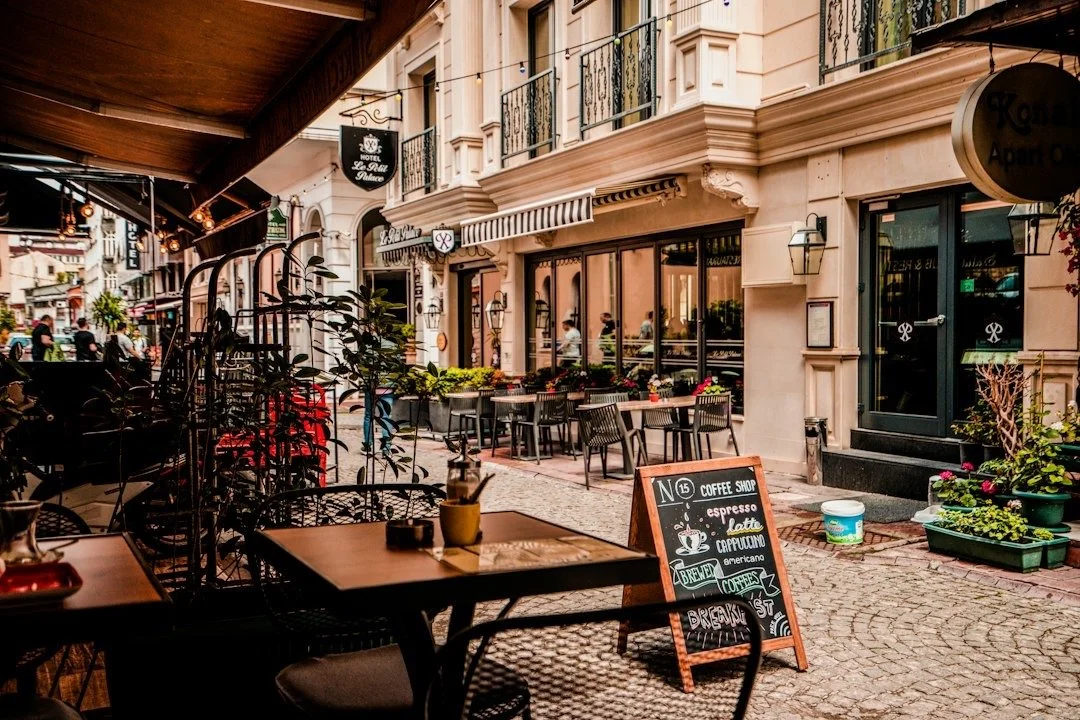
Start at a coffee shop
If you're coffee curious, my advice would be simple:
Start at a good local coffee shop.
Don't immediately go buy a grinder, pour-over setup and a bag of expensive beans and assume you're going to make the perfect cup at home.
You might not even know what you like yet.
And if your first few cups at home aren't very good, you might decide you don't like coffee when the real problem is that you haven't learned how to make it yet.
That's basically what I did—except I let somebody else make it first.
I tried coffee at a coffee shop.
Then I tried it again.
And again.
It took me a few cups before I finally had that moment:
“Yeah. I like this. Now I'm ready to learn how to make it myself.”
That distinction matters.
A good barista can take the brewing variables out of the equation for you.
You get to experience what the coffee is supposed to taste like before you start trying to recreate it at home.
Try a good freshly brewed drip coffee.
Try an Americano.
Try a pour-over.
Pay attention to the differences.
Then, if you find one you really enjoy, ask the barista about it.
What beans are they using?
Is it a single origin or a blend?
What's the roast?
What tasting notes should you be looking for?
What ratio are they using?
How are they grinding it?
If it's a slow part of the day, pick their brain.
That's how you start learning.
Then bring it home
Once you've figured out, “Okay, I actually like coffee,” then start experimenting at home.
That's when the grinder starts making sense.
That's when whole beans start making sense.
That's when you start learning about grind size, water temperature, coffee-to-water ratios and different brewing methods.
I didn't know anything about pour-over.
I'd see somebody making it in a day-in-the-life YouTube video with this little cone sitting over a cup, but nobody really explained why they were doing it or how it changed the taste.
Eventually I learned that different coffees can shine in different brewing methods.
Some are great as drip.
Some really come alive as pour-over.
Some are fantastic as espresso.
That's part of the fun.
But don't make your first lesson in coffee “Can I make this myself?”
First figure out:
“Do I even like this?”
Then learn how to make it.
Thanks for reading The Deep Dive!
What do you think?
Have a thought about this Deep Dive? I'd love to hear it.
Email me at thedeepdive@touchesoftech.com and let me know what you think—or send along an idea for something you'd like to see explored in a future Deep Dive.
I can't promise I'll write about every suggestion, but I'm always interested in hearing what you're curious about.
Get new Dives and The Deep Dive: This Week's Dives delivered straight to your inbox each weekend.
You'll be taken to our current newsletter provider to complete your free subscription.